Two endangered species
I am always interested in tracking, the listing and delisting decisions for endangered species. Recently, there were two listing decisions: one good news and the other not so good. The U.S. recently made headlines with decisions affecting two notable bird species: the Wood Stork and the Lesser Prairie-Chicken. While both birds have been at the center of conservation discussions for years, their situations highlight different challenges and successes in protecting wildlife.
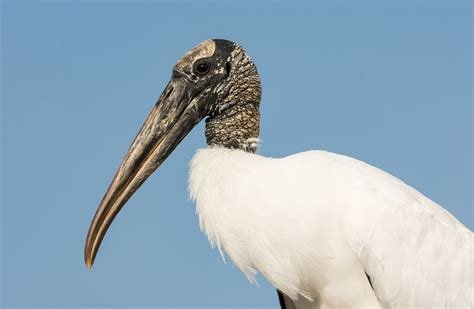
The Wood Stork is a large wading bird known for its bald, dark head and long bill. It lives primarily in wetlands across the southeastern United States, especially in Florida, Georgia, and the South Carolina coastal regions. In 1984, the U.S. government listed the species as endangered under the Endangered Species Act because its numbers had dropped dramatically. There were only as estimated 4000-5000 nesting pairs left in the U.S. The main causes were wetland drainage, development, and changes to water management that disrupted the bird’s feeding and nesting habitats.
Over the past several decades, conservation efforts have helped the Wood Stork recover. Wetland restoration, improved water management, and habitat protection allowed populations to grow. Wildlife agencies monitored breeding colonies and worked with land managers to maintain suitable conditions for the birds. As a result, the species was first reclassified from endangered to threatened in 2014. Continued population growth and expanded breeding ranges have now led to its proposed removal—called “delisting”—from the Endangered Species Act. The current population is estimated at 10,000-14,000 breeding pairs. Delisting means the species is considered recovered enough that it no longer needs federal protection, beyond the Migratory Bird Act though monitoring typically continues to ensure populations remain stable.
The story of the Lesser Prairie-Chicken is very different. This grouse-like bird lives in grassland ecosystems across the southern Great Plains, including parts of Texas, Oklahoma, Kansas, Colorado, and New Mexico. Known for its spring mating displays—when males gather on open “leks” to perform dances and booming calls—the bird depends on large, intact prairie habitats.
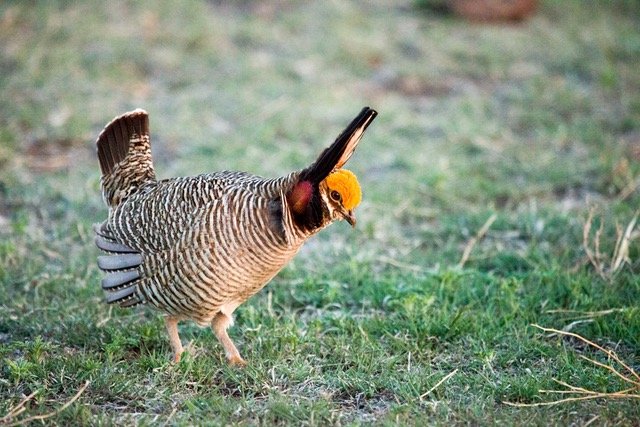
Unlike the Wood Stork, the Lesser Prairie-Chicken has struggled as its habitat shrinks and becomes fragmented. Current population estimates are about 30,000 birds. Historically, millions of these birds occupied the southern plains. Expansion of agriculture, oil and gas development, wind energy infrastructure, and drought have all affected the grasslands it needs to survive. Because of these pressures, the bird was listed under the Endangered Species Act in 2023, with two distinct populations receiving different levels of protection.
However, the listing became controversial. Some states, industry groups, and landowners argued that existing conservation programs were already helping the species and that federal listing would create unnecessary restrictions. In 2024, a federal court decision in Texas vacated the listing, effectively removing the bird from federal protection—referred to as “delisting,” although in this case it resulted from a legal ruling rather than recovery of Lesser Prairie Chicken populations. Future efforts to protect this species will depend on State and private efforts unless follow-on lawsuits lead to its re-listing. Two birds, two different outcomes.